
Is Your Diamond Loose? Subtle Signs Jewellery Owners Shouldn’t Ignore
Most people don’t think about the security of their diamond until something feels off.
A slight movement, an unusual sound, or even just a feeling that the ring isn’t sitting quite right — these small signs can indicate that your stone may no longer be as secure as it should be.
At Gillian’s Jewellery in Forest Hill Chase, we regularly see rings that only needed a simple adjustment — but were brought in just in time to prevent stone loss.
Knowing what to look for can make all the difference.
What Causes a Diamond to Become Loose?
Even well-made jewellery experiences wear over time.
Daily activities — typing, gripping, accidental knocks — gradually affect the small metal claws (also called prongs) that hold a diamond in place.
Over time, claws can:
-
Wear down
-
Bend slightly out of position
-
Thin due to friction
-
Loosen from repeated pressure
This process is usually gradual, which is why the warning signs can be easy to miss.
Early Signs Your Diamond May Be Loose
Catching the issue early is key. Some of the most common signs include:
-
A slight clicking or ticking sound when the ring is gently tapped
-
The stone moving very slightly when touched
-
The ring catching more often on clothing
-
Claws appearing thinner, uneven or worn
-
A subtle change in how the stone sits in the setting
Even very small movement is worth having checked.
A secure diamond should not shift at all.
Why You Shouldn’t Ignore It
A loose diamond doesn’t usually fall out immediately — but the risk increases over time.
What starts as minor wear can quickly become:
-
A bent claw that no longer holds the stone
-
A missing claw altogether
-
Complete stone loss without warning
For engagement rings and sentimental pieces, this can be both emotionally and financially distressing.
A simple preventative repair is always preferable to replacement.
What Is Claw Re-Tipping?
Claw re-tipping is a common jewellery repair that restores the security of a stone.
It involves:
-
Rebuilding worn or thin claws with new metal
-
Reshaping them to securely hold the diamond
-
Ensuring even pressure around the stone
When done correctly, the repair blends seamlessly with the original design while significantly improving durability.
How Often Should You Have Your Ring Checked?
As a general guide, engagement rings should be professionally checked once a year.
However, you may benefit from more frequent checks if you:
-
Wear your ring daily
-
Work with your hands
-
Have an older setting
-
Notice any of the warning signs mentioned earlier
Regular inspections are quick and can provide reassurance that everything is secure.
Professional Jewellery Checks in Forest Hill
At Gillian’s Jewellery in Forest Hill Chase, we take a careful and honest approach to jewellery inspections.
If your diamond is secure, we’ll tell you. If maintenance is needed, we’ll explain your options clearly — without pressure.
Claw re-tipping and stone security checks are simple services that can prevent much bigger problems down the track.
Peace of Mind for Everyday Wear
Your jewellery is meant to be worn and enjoyed — not constantly worried about.
If something doesn’t feel quite right with your ring, it’s always worth having it checked.
At Gillian’s Jewellery, we’re here to help Melbourne clients keep their jewellery secure, comfortable and ready for everyday wear.
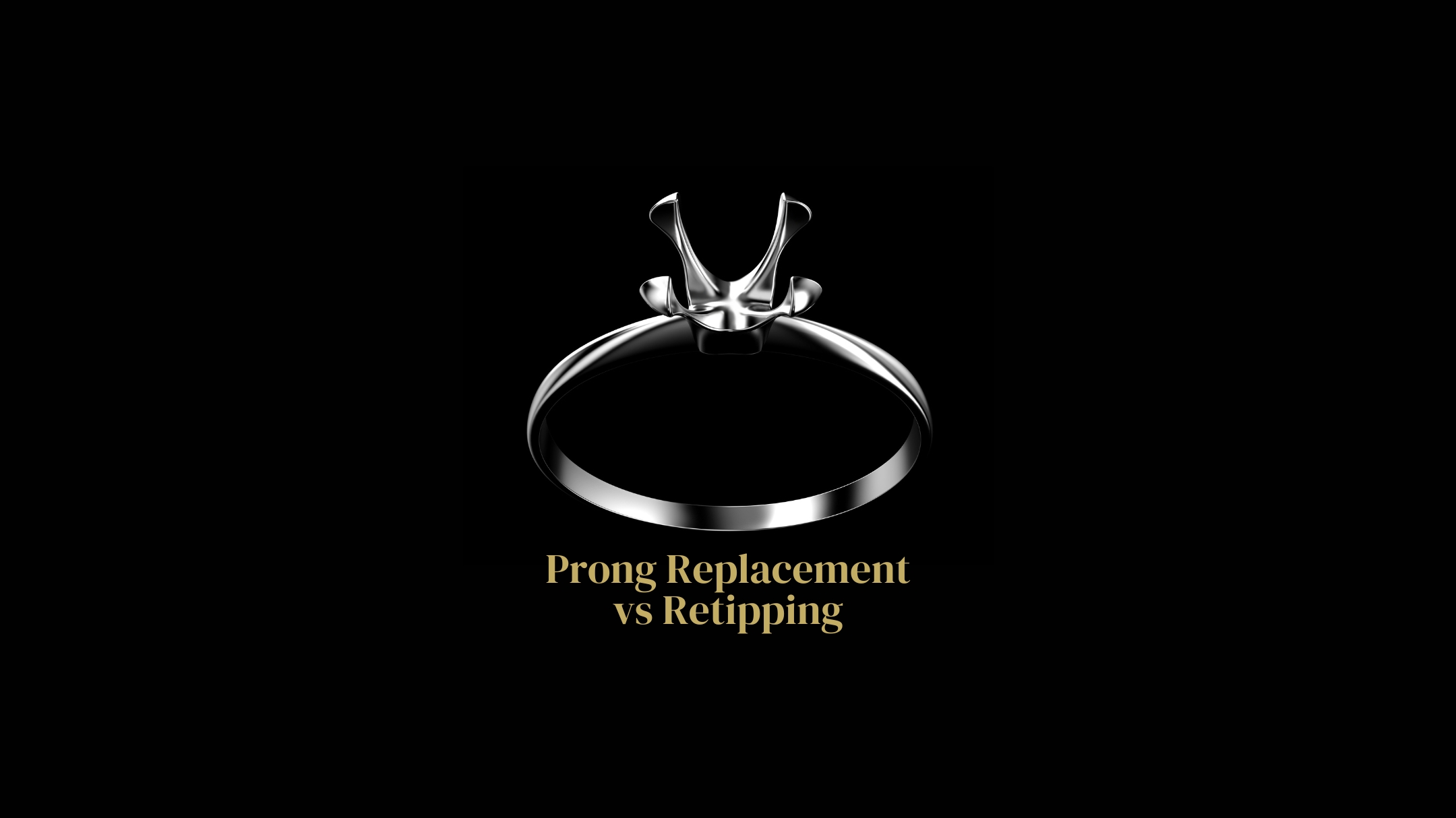
Prong or Claw Replacement vs. Retipping: Which method works best for your precious piece
Revitalising & Restoring the Strength of Your Treasured JewelleryJewellery, those sparkling gems that adorn us with elegance and sentimental value, often bear the brunt of time's unceasing march. The prongs or claws that clasp those precious gemstones in place may...
Replace & Rejoice: Easily Rejuvenate Your Jewellery with Clasp Replacement | Gillian’s Jewellery
In the realm of jewellery, clasps are the unassuming yet indispensable elements that unite beauty and functionality. These small mechanisms, often taken for granted, play a pivotal role in ensuring that our cherished necklaces, bracelets, and anklets not only grace...

Dazzle and Stun: A Comprehensive Guide to Rhodium Plating | Gillian’s Jewellery
The Beauty and Brilliance of Rhodium-Plated Jewellery Jewellery has always been more than just adornment; it's a reflection of personal style, a testament to moments cherished, and an embodiment of elegance. As jewellery enthusiasts, we understand the desire to...